Is House Hacking Worth It? Here's What I Learned After 5 Years.
When people hear the term house hacking, they often picture some kind of real estate cheat code. Buy a multi-unit building, collect rent, get rich.
I hate to disappoint everyone looking for a magic trick, but that's not how it works.
House hacking can absolutely be one of the best ways to build wealth through real estate. In fact, it's the single best investment I've ever made. But it requires patience, planning, and a willingness to think long-term.
Here's why.
The Purchase That Didn't Make Sense...At First
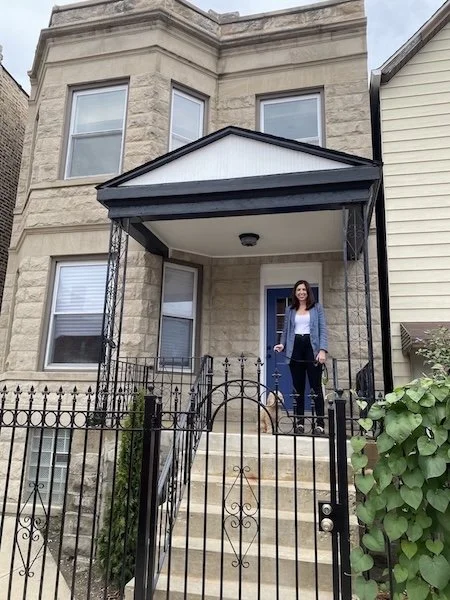
Back in 2021, I bought a two-flat in Chicago's Avondale neighborhood. I was lucky enough to know the seller personally. She had purchased the building, completely renovated it, and let me see it before it ever hit the market. When she told me her asking price, I immediately did what any Realtor would do. I ran the comps.
My conclusion?I thought I was paying more than the comparable sales justified.
Normally that's a red flag. But I also knew two important things:
If the property hit the open market, someone else would probably pay even more.
Multi-unit buildings are long-term investments, not short-term ones.
That second point is the one I think people miss most often.
House Hacking Isn't a Get-Rich-Quick Strategy
Social media loves to make house hacking sound effortless.
Buy a building.
Collect rent.
Retire early.
Reality is much less glamorous.
Multi-unit buildings often come with deferred maintenance, unexpected repairs, higher operating costs, and plenty of work. They aren't passive investments, especially in the beginning. I never bought this building expecting to make a quick profit. Instead, I viewed it as a long-term wealth-building strategy. Even if I was paying a little more than I thought it was worth in 2021, I knew time would eventually work in my favor through appreciation, principal paydown, and rental income.
Five Years Later, That Strategy Has Paid Off
Fast forward to today.
I've had tenants in the upstairs unit continuously since purchasing the property. Their rent doesn't cover my entire mortgage, but it covers well over half of it, close to two-thirds. That alone has made homeownership significantly more affordable.
But I didn't stop there.
The building already had renovated kitchens and bathrooms, central heating and air conditioning, and in-unit laundry in both units. What it didn't have was a finished basement. So I invested in converting the lower-level unit into a duplex-down by incorporating that unfinished basement.
That renovation accomplished several things:
It created a much larger and more functional owner's unit.
It increased the overall value of the property through forced appreciation.
It positioned the lower unit to eventually command significantly higher rent.
Instead of simply waiting for the market to increase my home's value, I created additional value myself.
My Investment Has Continued to Evolve
Life changes.
Since buying the building, I got married and my husband and I purchased a home in the suburbs. One of the unexpected benefits of owning a two-flat is the flexibility it gives me. Today, my upstairs tenants continue helping pay the mortgage while I keep my duplex-down available whenever I need to be in the city. Whether I'm meeting clients, hosting visiting friends, or simply spending a weekend in Chicago, I still have a place to stay.
Eventually, my plan is to flip that arrangement. When my current tenants move out, I'll move into the upstairs unit and rent the duplex-down instead. Because the duplex commands higher rent, it should generate enough income to cover essentially the entire mortgage while still allowing me to keep a home base in the city. And someday, if I no longer need that space at all, I can rent both units and transform the property into a fully cash-flowing investment.
That's the beauty of a well-purchased multi-unit: it can adapt as your life changes.
Why House Hacking Builds Wealth
People often focus only on appreciation when they think about real estate investing.
That's only one piece of the equation.
With a property like this, I'm building wealth in several ways at once:
The property has appreciated over time.
I've increased its value through renovations.
My tenants have helped pay down my mortgage every month.
Rental income continues to offset my ownership costs.
Eventually, the building should generate meaningful cash flow.
When I eventually sell, I won't just benefit from appreciation. I'll also benefit from years of someone else helping build my equity by paying a significant portion of the mortgage. That's a powerful combination.
Is House Hacking Right for Everyone?
Not necessarily. Being a landlord isn't for everyone. Multi-unit ownership comes with maintenance, repairs, vacancies, capital improvements, and plenty of unexpected expenses. But if you understand what you're buying, go into it with realistic expectations, and commit to the long game, it can be an incredible wealth-building tool.
Buying that Avondale two-flat remains one of the smartest financial decisions I've ever made. Not because it made me rich overnight. Because five years later, it's still creating opportunities I couldn't have imagined when I first bought it. Sometimes the best investments aren't the flashiest ones. They're simply the ones that keep quietly working for you year after year while the rest of the world searches for shortcuts.